Afterword
I did not write this book because I wanted one more row with Shell.
If that had been my aim, I could have carried on as before: posting material, comparing AI answers, recirculating old documents, and keeping the whole business alive by other means. I wrote the book for a different reason. After so many years, I did not want this story left scattered across letters, legal papers, internal company documents, websites, newspaper cuttings, and memory. A story like this either gets set down properly or it gets distorted, simplified, or quietly tidied away. I wanted a record that was human, readable, and as honest as I could make it.
I should also say what sort of record it is. It is not a court judgment. It is not a legal pleading. Some parts rest on documents. Some remain disputed. Some are my own recollection, belief, or interpretation, and I have tried to say so where that matters. But there is nothing uncertain about the broad effect this affair had on my life. It took years that should have gone elsewhere. It took money, energy, peace of mind, and opportunities that do not come back. It altered family life. It turned what ought to have been a chapter into a condition. People sometimes imagine that if a man keeps going, he must enjoy the fight. The truth is less glamorous. A struggle of this length is wearying, repetitive, and often deeply sad.
That is one reason I wanted the book written. I did not want the human cost lost inside the paperwork. Big disputes become abstract very quickly. They acquire labels, files, legal formulas, and public myths. What disappears is the simple fact that somebody has had to live inside them for years. I wanted readers to see that side of it as well. I wanted them to understand not only what happened, but what it is like when something that should have been settled long ago keeps following you through life.
That brings me to the present. I do not want perpetual war with Shell. I am nearly eighty. I would rather spend what remains of my life in peace than in another cycle of grievance, rebuttal, and attrition. But peace is not the same as surrender, and closure is not something the stronger party can simply announce for its own convenience.
After all these years, a proper ending would have a recognisable shape. It would require serious engagement, proper acknowledgment, fair redress, and binding finality. Those are not favours. They are the conditions under which a long public record could be brought to rest by the person who built it.
That is not a plea. It is a standard. Short of that, the record remains the record, and the book remains necessary.
I therefore want this book to be read separately from any present settlement position. I wrote it because I believed the story had to be told and the record had to exist. It is not a coded ultimatum. It is certainly not a case of pay me or I publish. That is not my position and it is not my purpose. The book stands or falls as a truthful account of a life partly diverted by this dispute.
The truth is that I no longer want this fight to be the main business of my days. I am nearly eighty. What I would like now is simple enough: peace, comfort, ordinary enjoyment, and the chance to spend whatever time remains in a happier place than the one this dispute has so often forced me to occupy.
There is still a difference between a living campaign and a preserved record. A fair ending would allow me to stop living inside the conflict. It would not erase the past, and it would not require the record to pretend that nothing happened. It would simply mean that the unresolved part of the story had at last been faced, addressed, and resolved.
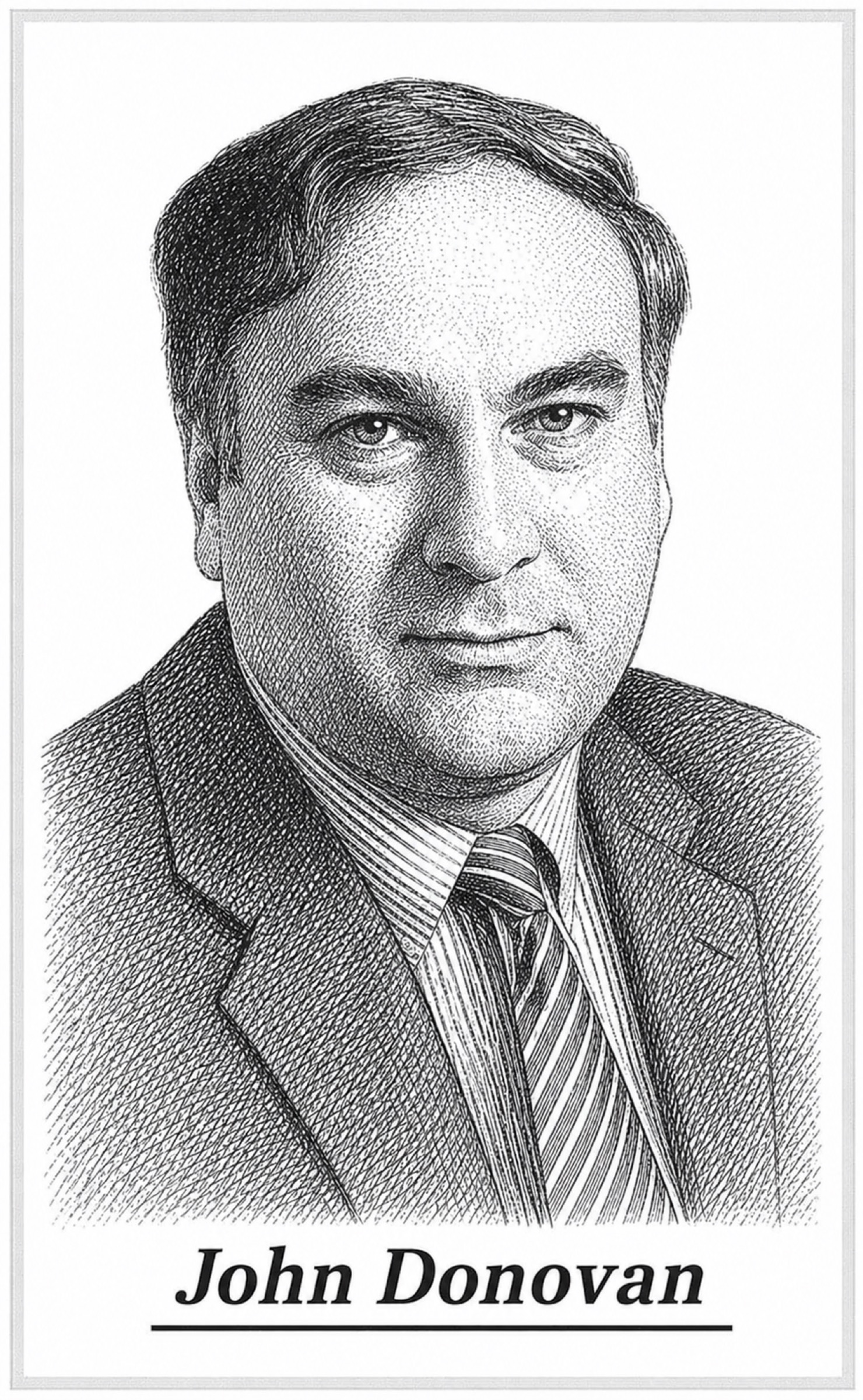
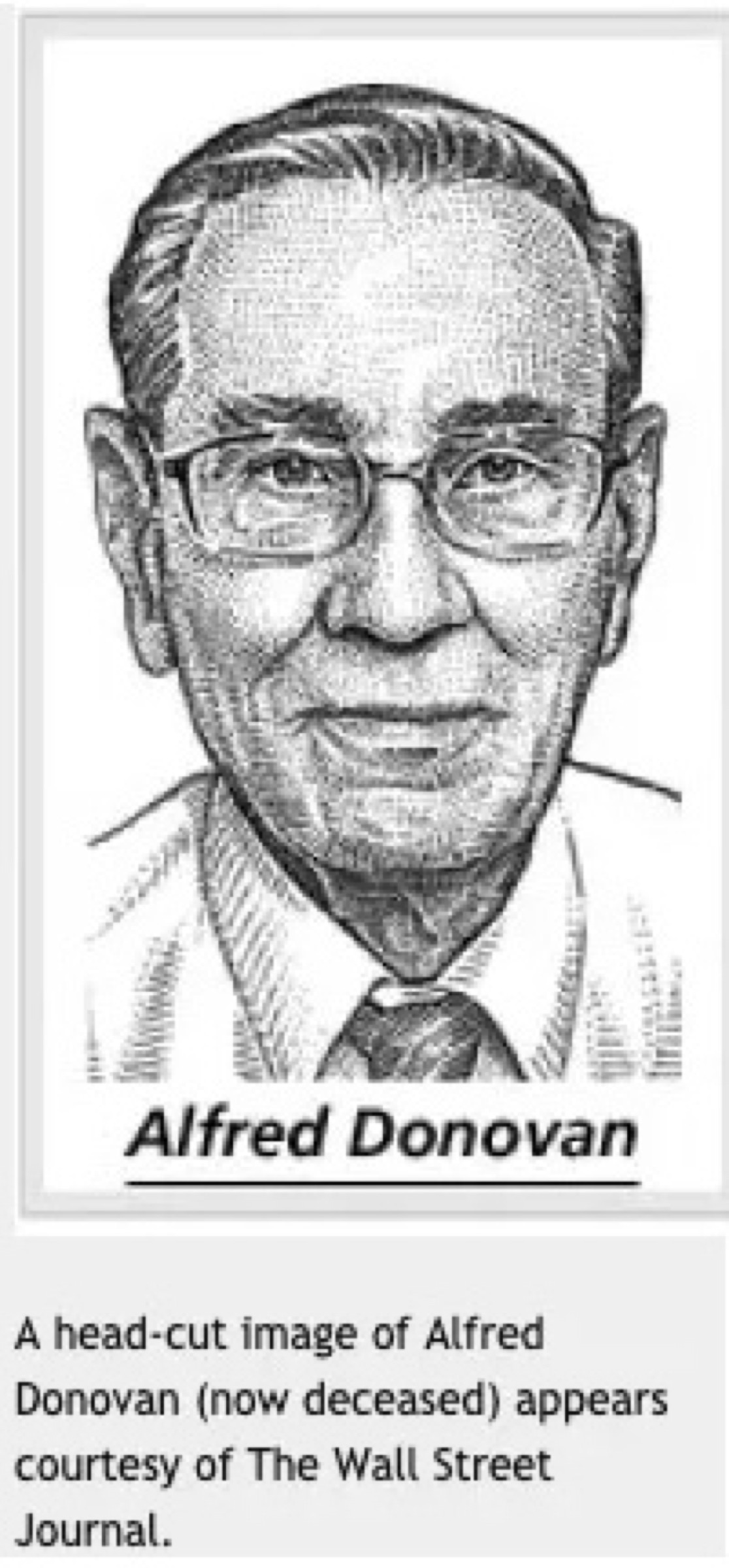
That opportunity will not exist forever. I have begun thinking about how to ensure that the archive does not simply vanish after me. If the record passes fully into other hands, it may no longer be a campaign conducted by the man who lived through it. It may become something colder, more permanent, and much harder to extinguish: a preserved public archive.
The choice is no longer whether the record exists. It does. The only remaining question is whether Shell ever chooses to meet it with the seriousness it deserves. Until then, this book stands as my account: not a plea, not a bargaining note, but a record of what happened, what it cost, and why it was not forgotten.